

Why Do I Get Anxiety After Drinking Alcohol?
If you tend to feel anxious after drinking alcohol, there is a real reason for it. Alcohol can make you feel calmer in the moment, but that feeling does not always last once your body starts processing it.
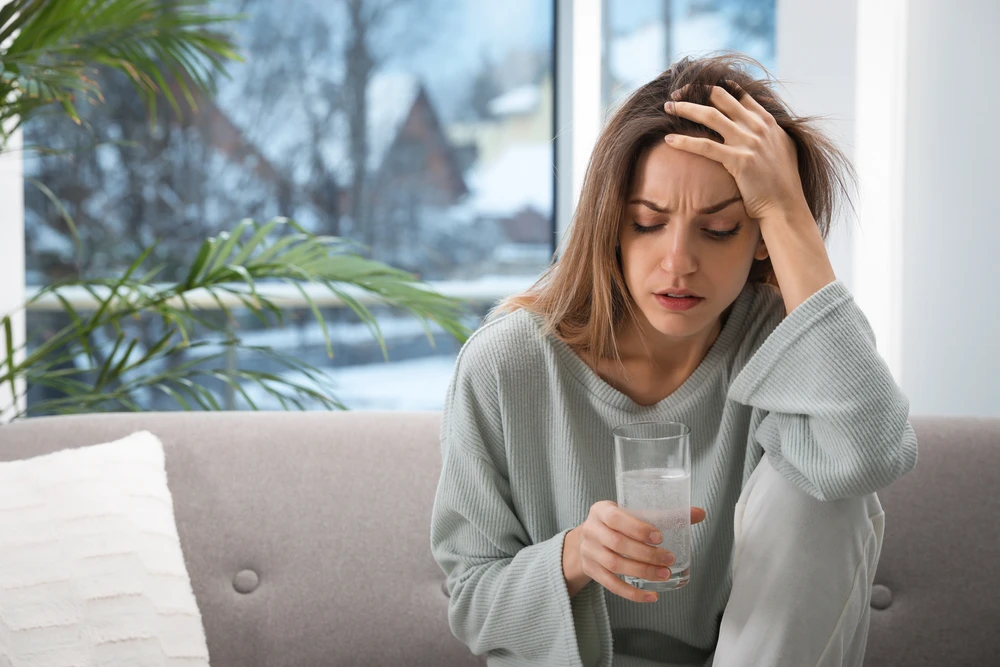
For some people, the shift is pretty noticeable. You may go from feeling relaxed and social at night to waking up tense, restless, or worried the next morning. Your heart may feel like it is beating harder than usual. You might replay conversations in your head or feel uneasy without being able to point to one specific reason.
People often call this “hangxiety.”
It is not an official diagnosis. It is simply a common way of describing the anxious, on-edge feeling that can show up during a hangover or as alcohol wears off.
Why Does Alcohol Make Me Anxious After It Wears Off?
Alcohol changes the way your brain and nervous system function while you are drinking.
At first, those changes may feel pleasant. You may loosen up, stop overthinking, or feel less self-conscious. That temporary calming effect is part of why some people use alcohol when they are stressed or nervous.
The problem is that your body does not stay in that state.
As the alcohol wears off, your nervous system starts shifting back toward its usual balance. For some people, that adjustment feels more like a rebound than a smooth return to normal. Instead of simply feeling sober again, you may feel unusually alert, restless, or keyed up.
That is when symptoms like these can show up:
- Racing thoughts
- Trouble relaxing
- A faster or pounding heartbeat
- Shakiness
- Sweating
- Irritability
- Trouble sleeping
- A general sense that something feels “off”
If you are already someone who notices physical anxiety symptoms easily, those sensations may feel even more intense. People who struggle with ongoing worry or panic can sometimes notice those patterns more strongly after drinking, which is one reason anxiety therapy can be helpful when the issue goes beyond an occasional rough morning.
Why Is Anxiety Worse the Day After Drinking?
The nervous system is only part of it.
A hangover can leave your whole body feeling out of sorts. You may be tired, dehydrated, nauseated, shaky, or dealing with a headache. Unfortunately, a lot of those sensations overlap with what anxiety feels like.
That can make it hard to tell where the hangover ends and the anxiety begins.
Alcohol Can Disrupt Your Sleep
A few drinks may make it easier to fall asleep, but the sleep you get is often not as restful as it seems.
You may wake up more during the night or spend less time in deeper stages of sleep. Even if you were in bed for eight hours, you might wake up feeling drained.
When you are exhausted, your ability to handle stress can take a hit. Small worries can feel bigger, and it is easier to get stuck in negative thinking.
Hangover Symptoms Can Feel Like Anxiety
A racing heart, sweating, dizziness, nausea, and shakiness are uncomfortable on their own. They can also make someone think, “Why do I feel so anxious right now?”
That thought can create another layer of anxiety.
For example, you wake up with your heart pounding. You focus on it. Then you start worrying about why it is happening. The more worried you get, the more noticeable your heartbeat becomes.
It is an easy cycle to fall into.
Low Energy Can Make Everything Feel Harder
Maybe you did not eat much before drinking. Maybe you stayed out later than usual. Maybe you barely slept.
Whatever the reason, feeling physically worn down can make your emotions feel harder to manage the next day.
Sometimes what feels like sudden emotional anxiety is being amplified by a body that simply has not recovered yet.
Why Do I Feel Guilty or Embarrassed After Drinking?
This part of hangxiety is often just as uncomfortable as the physical side.
The next morning, your brain may start running back through the night.
- “Did I talk too much?”
- “Was I annoying?”
- “Why did I say that?”
- “Did I embarrass myself?”
Even conversations that felt completely normal at the time can look different in the morning.
If parts of the night are fuzzy, that can make things worse. Your mind may start filling in the gaps, and it usually does not fill them in with the most flattering version.
This can be especially hard for people who already tend to overthink social situations. A normal comment can suddenly feel embarrassing. A delayed text response can feel like proof that someone is upset with you.
And because your body may already feel anxious from the hangover itself, your mind starts searching for a reason.
Sometimes it lands on the night before.
Why Do Some People Get Hangover Anxiety Worse Than Others?
Not everyone reacts to alcohol the same way.
One person may have several drinks and feel tired the next day but emotionally fine. Another may have fewer drinks and wake up feeling extremely anxious.
There are a lot of reasons for that difference.
How much you drank matters, but so does how quickly you drank, whether you ate beforehand, how well you slept, how stressed you already were, and how sensitive your body tends to be to alcohol.
Your mental state before drinking matters too.
If you are already overwhelmed, anxious, or emotionally drained, alcohol may give you a few hours of relief without actually solving what was bothering you. When that temporary relief wears off, those feelings may come back just as strongly, or sometimes stronger.
It is also worth paying attention to why you are drinking in the first place.
Having a drink because you enjoy it socially is one thing. Feeling like you need alcohol to quiet your thoughts, sleep, relax, or get through social situations is different.
That does not automatically mean there is a serious problem. But it is a pattern worth noticing.
Can Alcohol Make Anxiety Worse Over Time?
For some people, yes.
Alcohol can become part of a cycle that is easy to miss because it works at first.
You feel anxious, so you drink.
You feel better for a while.
Then the anxiety comes back later.
So the next time you feel anxious, drinking seems like an obvious solution again.
Over time, it can start to look like this:
Anxiety → drink for relief → temporary calm → more anxiety later → look for relief again
That cycle does not mean everyone who gets hangxiety has an alcohol problem. It also does not mean every anxious feeling after drinking is a sign of an anxiety disorder.
What matters is the pattern.
If drinking has started to feel like one of your main ways of handling stress, difficult emotions, sleep problems, or social anxiety, that may be something to look at more closely. Directions Counseling & Coaching also offers substance abuse counseling for people who want help understanding how alcohol or other substances may be affecting their mental health.
You may also start noticing that anxiety is there even when you have not been drinking. In that case, alcohol may be making an existing issue worse rather than causing the whole problem.
What Can I Do To Reduce Anxiety The Next Day?
There is no instant fix, but there are a few things that can make the next day easier.
Start with the basics.
Drink water. Eat something. Rest if you can. Give your body a chance to recover before assuming every uncomfortable feeling means something is seriously wrong.
It can also help to step away from the mental replay.
If you catch yourself going over the same conversation for the tenth time, try bringing your attention back to what is happening right now. Slow your breathing. Take a shower. Go for a short walk. Sit somewhere quiet for a few minutes.
The goal is not to force the anxiety away. It is to stop feeding it.
It is also worth looking for patterns.
Do you only get anxious after heavier nights of drinking? Does it happen even after one or two drinks? Is it worse when you are already stressed? Do you tend to drink more when you are anxious to begin with?
Those answers may tell you more than the hangover itself.
One thing that usually does not help is drinking more alcohol to take the edge off. It may work briefly, but it can reinforce the same cycle that caused the problem in the first place.
How Long Does Anxiety Last?
For some people, the anxiety fades as the hangover improves.
For others, it can hang around longer, especially after a night of poor sleep, heavier drinking, or a lot of stress.
There is no exact timeline that applies to everyone.
What matters more is whether the anxiety is becoming a regular pattern. If you are still feeling unusually anxious several days later, or this happens nearly every time you drink, it may be worth talking with a healthcare or mental health professional.
When Should I Be More Concerned?
An anxious morning after drinking once in a while is not necessarily a sign that something is seriously wrong.
It is more worth paying attention to when the pattern keeps repeating.
You may want to talk with someone if:
- You drink mainly because it helps you feel less anxious
- You feel like you need alcohol to socialize
- You regularly experience panic after drinking
- You spend the next day obsessing over what you said or did
- You keep drinking even though you know it makes your anxiety worse
- Your anxiety is affecting sleep, work, or relationships
- You feel significantly anxious even when you are not drinking
There is also an important difference between a typical hangover and alcohol withdrawal.
People who drink heavily or regularly can experience withdrawal symptoms such as shaking, sweating, insomnia, anxiety, or a racing heart. More severe symptoms, including seizures, hallucinations, confusion, or rapidly worsening symptoms, can be dangerous and require immediate medical attention.
Paying Attention to the Pattern Can Help
So, why do you get anxiety after drinking alcohol?
Usually, it is not one single thing. It can be the nervous system adjusting as the alcohol wears off, poor sleep, hangover symptoms, stress, and whatever thoughts show up the next morning.
If this only happens once in a while, it may simply be your body’s response to alcohol.
If it keeps happening, though, it can be useful to look at the bigger picture.
At Directions Counseling & Coaching, our therapists work with adults throughout the Columbus area who are dealing with anxiety, stress, panic, and unhealthy coping patterns. Sometimes the first step is simply understanding what is happening and why it keeps repeating. From there, healthier ways of handling anxiety can start to feel a lot more realistic. Contact us for more information on mental health and how you can reduce anxiety.
