

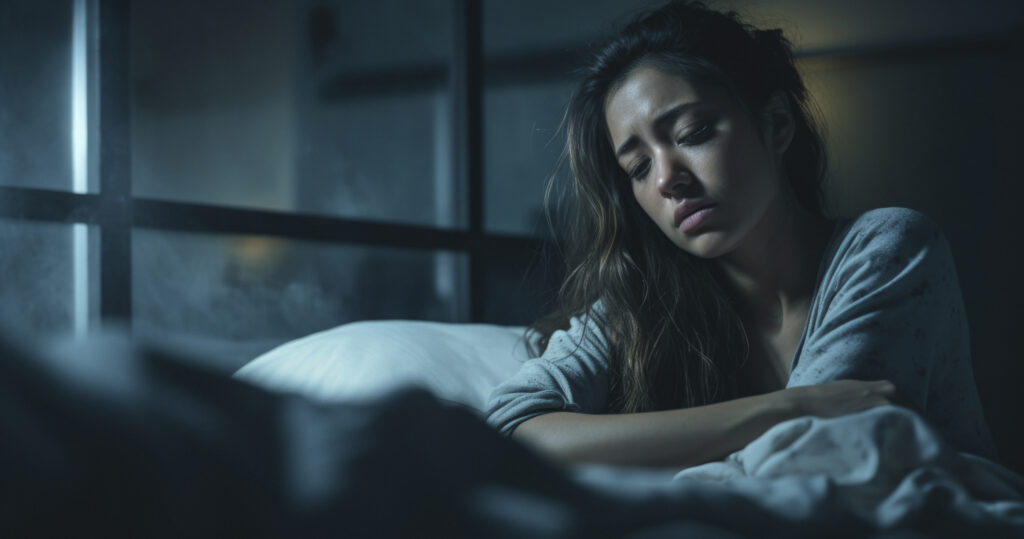
For many people, anxiety doesn’t hit hardest in the middle of a busy workday—it creeps in at night, when everything slows down and the mind starts racing. If you’ve found yourself wide awake with spiraling thoughts, tightness in your chest, or a restless sense of dread, you’re not alone.
Nighttime anxiety is incredibly common, and there are both emotional and biological reasons it tends to show up when the lights go out. Understanding the “why” behind it can help you respond with more clarity—and start finding your way back to rest.
Why Does Anxiety Get Worse at Night?
1. Fewer Distractions, More Mental Noise
During the day, our minds are occupied—work, family, chores, screens. At night, all that noise dies down. What’s left? Thoughts we’ve been pushing away. Worries about tomorrow. Regrets from the past. That quiet space can amplify unresolved emotions and anxieties.
2. Fatigue Makes You More Vulnerable
When you’re physically exhausted, your emotional defenses are lower. The brain has fewer resources to regulate stress responses, which can make you more sensitive to intrusive or irrational thoughts. It’s why something that wouldn’t bother you at noon can feel overwhelming at midnight.
3. Sleep-Related Anxiety Becomes a Cycle
If anxiety is keeping you up at night, you may start to worry about how little sleep you’re getting—which only makes the anxiety worse. This cycle can be hard to break and often requires a combination of therapeutic strategies and better sleep habits.
Could Trauma Be a Factor?
For many individuals, nighttime anxiety is closely tied to past trauma. Quiet moments can trigger memories or emotional flashbacks, even when you’re not consciously thinking about what happened. The brain’s stress response can become hyperactive at night, especially when there’s no external distraction to ground it.
If you suspect trauma may be at the root of your nighttime anxiety, working with a licensed professional trained in trauma therapy can help you identify patterns and begin healing in a safe, structured way.
Coping Strategies for Nighttime Anxiety
While anxiety at night can feel overwhelming, there are ways to ease it:
- Create a wind-down routine: Signal your brain it’s time for rest with calming activities—reading, warm tea, light stretching.
- Limit screens and caffeine: Blue light and stimulants can confuse your internal clock and heighten anxious energy.
- Journal your thoughts: Sometimes putting your worries on paper before bed can quiet the mental noise.
- Breathing and grounding techniques: Deep, slow breathing or the 5-4-3-2-1 technique can anchor you in the present.
If these self-care strategies aren’t enough, that’s okay. It may be time to reach out for professional support.
How Therapy Helps
Nighttime anxiety isn’t just a sleep issue—it’s an emotional one. Getting to the root of it requires more than relaxation tips. Working with a therapist trained in anxiety treatment can help you understand what’s fueling your anxiety, whether it’s unresolved stress, trauma, or a pattern of negative thinking.
Together, you can build new responses, challenge distorted beliefs, and create a calmer space for both your mind and body—especially when the world gets quiet.
You Don’t Have to Lie Awake Wondering “Why” Anymore
If anxiety is stealing your sleep, your peace, or your sense of control, you don’t have to manage it alone. Contact Directions Counseling & Coaching, we’re here to listen, support, and guide you toward strategies that work—at night and during the day.
